
Hair extensions are one of the fastest ways to transform your look. Whether you want longer hair, thicker volume, or a dramatic new hairstyle, extensions can give you that instant confidence boost. But once the time comes to remove them, many people face a frustrating problem—hair extension glue stuck in their natural hair. If you have ever dealt with sticky residue or hardened adhesive tangled in your strands, you know how stressful it can be.
Hair extension glue is designed to be strong and long-lasting. It keeps extensions secure even through washing, styling, and daily activities. While that durability is great for maintaining your hairstyle, it also means the glue does not come out easily. Trying to pull the extensions out or wash them repeatedly can damage your hair and cause unnecessary breakage.
The key to safe removal is understanding how the adhesive works and using the correct techniques to dissolve it. Many professionals recommend specific products or natural methods that soften the glue before removing it. In some situations, visiting a Professional Hair Fixing Center is the safest option because trained specialists have the right tools and experience.
This detailed guide explains how to remove hair extension glue from hair safely, step by step. You will learn professional techniques, natural remedies, and expert tips that help protect your hair while removing stubborn adhesive.
Understanding Hair Extension Glue
Hair extension glue is a specially formulated adhesive used to attach hair extensions securely to natural hair. Unlike regular glue, this adhesive is designed to withstand heat styling, humidity, shampooing, and daily movement. Because of its durability, it forms a strong bond around hair strands and keeps extensions firmly attached for weeks.
Most hair extension adhesives contain ingredients such as keratin polymers, latex bonding agents, and resin compounds. These materials create a flexible yet powerful bond that prevents extensions from slipping. When applied properly, the glue dries quickly and grips the hair shaft tightly.
However, this same strength can make removal difficult. The adhesive wraps around individual hair strands, creating a firm connection that cannot be removed simply by washing the hair. Over time, the glue can harden further due to exposure to heat tools like flat irons and blow dryers.
This is why professionals recommend using specialized glue removers or natural oils that break down adhesive bonds. Instead of pulling or forcing the glue out, the goal is to soften the adhesive until it slides off gently. Understanding how hair glue works is the first step toward removing it safely without damaging your natural hair.
What Is Hair Extension Adhesive Made Of?
Hair extension glue is made with ingredients designed to create strong yet flexible bonds. The most common components include keratin-based polymers, synthetic resins, latex bonding agents, and plasticizers that maintain flexibility. These compounds allow the adhesive to hold firmly while still moving with the natural motion of your hair.
Keratin-based adhesives are especially popular because they mimic the natural protein structure of human hair. This allows the bond to blend more naturally with the hair shaft. However, keratin bonds still require specialized removers to dissolve them properly.
Some lower-quality adhesives contain stronger resins that can become brittle over time. These types of glues are often harder to remove and may leave residue behind. When adhesive hardens around hair strands, it can create small clumps that trap dirt and styling products.
Professional stylists understand these chemical structures and know which removers work best for each adhesive type. That is why many people choose to visit a Professional Hair Fixing Center when dealing with stubborn glue or complex extension systems.
Why Removing Hair Glue Can Be Challenging?
Removing hair extension glue can feel difficult because the adhesive forms a tight grip around individual strands. Unlike tape extensions that peel off easily, glue bonds are designed to stay intact for weeks or even months. This long-lasting hold means the adhesive becomes deeply attached to the hair shaft.
Another factor that makes removal difficult is product buildup. Hair sprays, oils, and styling products can mix with the glue over time, creating a thicker residue that is harder to dissolve. When this buildup occurs, the glue may appear darker and feel more brittle.
Humidity and heat styling can also affect the adhesive. High temperatures from flat irons and curling tools can harden the glue further, making it more resistant to removal. This is why professionals emphasize the importance of softening the bond before attempting to remove it.
Trying to pull out extensions without loosening the adhesive can lead to hair breakage or scalp discomfort. Patience and the right removal technique are essential for keeping your natural hair healthy.
Signs You Need to Remove Hair Extension Glue
Many people do not realize glue is still present in their hair after removing extensions. In some cases, the adhesive remains hidden near the roots and becomes noticeable only after brushing or washing the hair.
One of the first signs of leftover glue is sticky or hardened clumps near the scalp. These small lumps may feel rough when you run your fingers through your hair. Over time, they can trap dust and hair products, causing buildup around the hair strands.
Another common sign is increased tangling. When glue residue sticks to hair strands, it prevents them from moving freely. This leads to knots that are difficult to comb out. If brushing your hair suddenly becomes painful or time-consuming, leftover adhesive might be the cause.
Some people also experience scalp irritation or dryness. Glue residue can block natural oils from reaching the hair shaft, leaving strands dull and brittle. Recognizing these signs early allows you to remove the glue before it causes further damage.
Common Problems Caused by Leftover Glue
Leaving adhesive in the hair for long periods can create several problems. While the glue itself may not seem harmful initially, it can gradually affect the health and appearance of your hair.
Common issues include:
- Tangled hair strands
- Difficulty brushing or styling
- Dry and brittle hair
- Scalp irritation
- Product buildup and odor
Removing glue promptly helps restore your hair’s natural texture and manageability.
Preparing to Remove Hair Extension Glue Safely
Preparation is one of the most important steps in the glue removal process. Rushing into the process without the proper tools or knowledge can lead to unnecessary hair damage.
Start by detangling your hair using a wide-tooth comb. This helps separate the strands and prevents knots from forming during the removal process. Working with clean, dry hair also makes it easier to locate glued areas.
Next, gather the products you will need. Depending on the removal method, you may require oils, glue remover, cotton pads, or a fine-tooth comb. Having everything ready before starting will make the process smoother and more controlled.
A mirror and good lighting are also helpful. Being able to see the exact location of the glue ensures you apply the remover only where it is needed.
Mistakes to Avoid During Glue Removal
Many people make simple mistakes that can damage their hair during glue removal. The most common mistake is pulling extensions out before dissolving the adhesive.
Other mistakes include:
- Using sharp metal objects
- Applying harsh chemicals directly to the scalp
- Brushing aggressively
- Washing repeatedly without dissolving the glue
Avoiding these mistakes ensures a safer and smoother removal process.
Professional Glue Remover Method
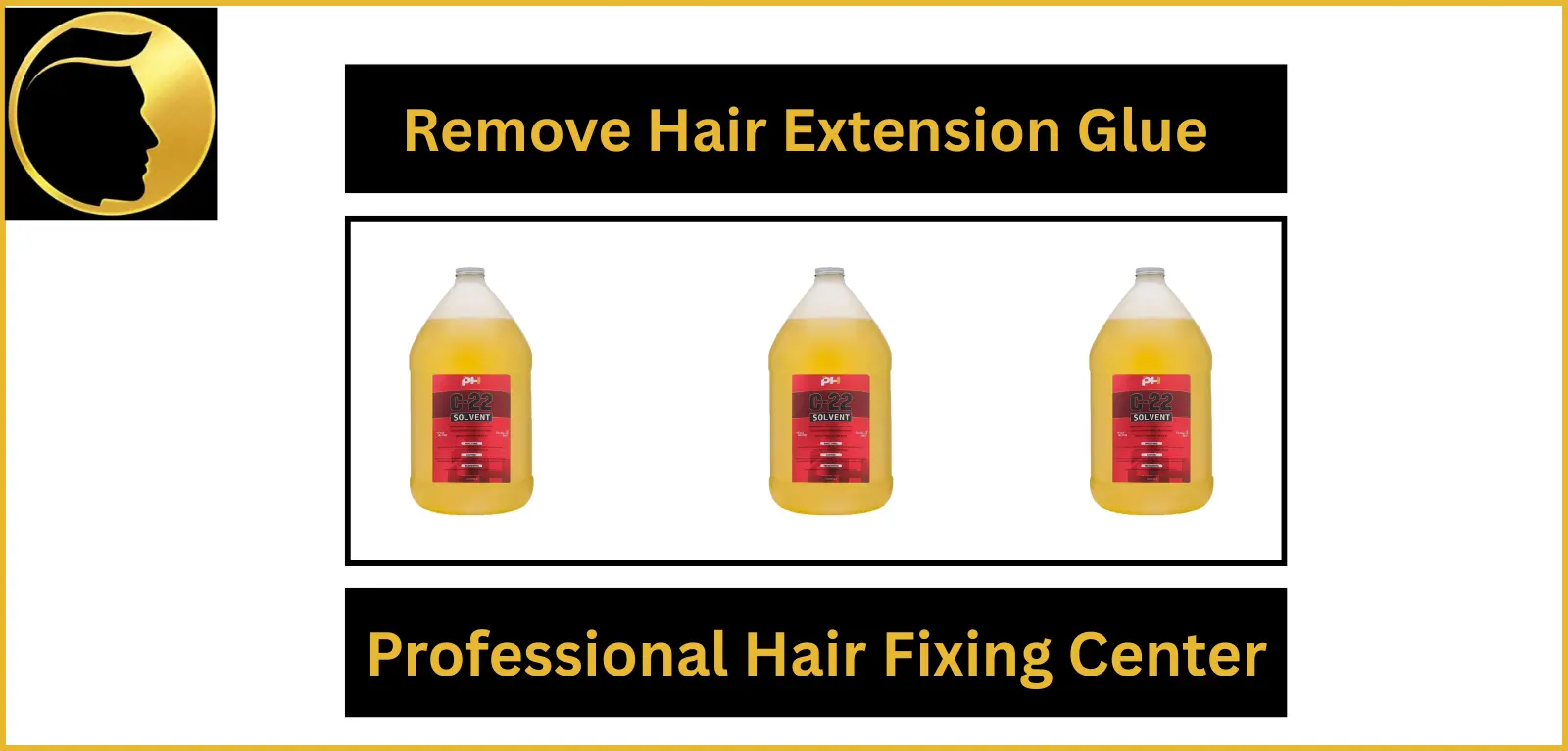
Professional glue removers are specifically designed to break down extension adhesives. These products contain oil-based solvents that penetrate the glue and weaken its chemical bond with the hair.
Many stylists prefer this method because it works quickly and minimizes damage. The remover softens the glue so the extension can slide off the hair without pulling.
Professional removal products are widely used in salons and Professional Hair Fixing Center services because they are reliable and safe when used correctly.
Step-by-Step Guide for Safe Glue Removal
- Apply a small amount of glue remover directly onto the adhesive bond.
- Allow the remover to sit for about 5–10 minutes.
- Gently massage the bond to loosen the glue.
- Use a fine-tooth comb to slide the softened glue out.
- Wash your hair with clarifying shampoo.
Following these steps carefully helps protect your natural hair from breakage.
Natural Oil Method for Removing Hair Glue
Natural oils are one of the safest and most accessible ways to remove hair extension glue. Oils work by penetrating the adhesive and weakening its grip on the hair strands.
This method is especially popular because it nourishes the hair while dissolving the glue. Coconut oil, olive oil, and argan oil are commonly used because they contain fatty acids that break down sticky substances.
Warm the oil slightly and apply it to the glued section of hair. Allow it to soak for about 20–30 minutes before gently combing the glue out. The oil will soften the adhesive, making it easier to remove without pulling.
Best Oils That Help Break Down Adhesive
Popular oils for glue removal include:
- Coconut oil
- Olive oil
- Argan oil
- Baby oil
- Jojoba oil
These oils moisturize the hair while loosening the glue bond.
Alcohol Method to Dissolve Hair Extension Glue
Isopropyl alcohol is another solution that can dissolve certain types of hair extension glue. It works by breaking down adhesive compounds, allowing the bond to loosen.
Apply alcohol using a cotton pad and gently dab it onto the glue. After a few minutes, the adhesive should soften enough to comb out. This method is effective but should be used carefully because alcohol can dry out hair and scalp.
Heat Method for Stubborn Hair Glue
Sometimes glue becomes extremely hard and resistant to removal. In these situations, gentle heat can help soften the adhesive.
Using a hair straightener with a protective cloth can warm the glue slightly. Once heated, the adhesive becomes softer and easier to remove with a comb.
This technique should be done carefully to avoid heat damage.
Apple Cider Vinegar and Household Solutions
Some people prefer natural household solutions for glue removal. Apple cider vinegar is a popular option because its mild acidity can break down adhesive buildup.
Apply the vinegar to the glued area and massage it gently. After a few minutes, the glue should begin loosening. Another unusual method involves peanut butter, whose oils help dissolve sticky substances.
Aftercare: Restoring Hair Health After Glue Removal
Once the glue is removed, your hair may feel dry or fragile. Adhesive and removal products can strip natural oils from the hair shaft.
Deep conditioning treatments are essential to restore moisture and strength. Apply a nourishing hair mask and leave it on for at least 20 minutes. This helps repair the hair cuticle and improve shine.
Avoid heat styling for a few days and use gentle hair products to support recovery.
Deep Conditioning and Hair Recovery
Healthy aftercare includes:
- Deep conditioning masks
- Protein treatments
- Scalp oil massage
- Sulfate-free shampoos
These steps help restore hair health after extension removal.
When to Visit a Professional Hair Fixing Center
If glue is deeply tangled in your hair or covers multiple sections, professional help may be necessary. A Professional Hair Fixing Center has specialized products and tools designed for safe extension removal.
Hair technicians are trained to dissolve adhesive bonds without damaging natural hair. They can also treat your hair afterward to restore moisture and strength.
Professional removal saves time and reduces the risk of hair breakage.
Tips to Prevent Glue Build-Up in the Future
Preventing glue buildup is easier than removing it later. If you regularly wear hair extensions, follow proper maintenance routines.
Use the recommended amount of adhesive during installation. Excess glue often spreads to surrounding hair strands and becomes harder to remove. Regular brushing and proper washing also prevent product buildup around the adhesive. Scheduling professional removal appointments ensures extensions are taken out safely.
Conclusion
Removing hair extension glue does not have to be stressful or damaging. The key is to soften the adhesive using professional removers, natural oils, alcohol solutions, or gentle heat techniques. Once the glue loosens, it can be removed without pulling or breaking your hair.
How to Remove Hair Extension Glue from Hair? Visiting a Professional Hair Fixing Center is often the safest option. Professionals have the knowledge and specialized tools needed to remove extensions without harming your natural hair.
With proper care and the right techniques, your hair can remain healthy, strong, and ready for your next styling transformation.
FAQs
Professional glue removers and alcohol solutions are usually the fastest methods for dissolving adhesive bonds.
Yes, oils such as coconut or olive oil can soften and loosen glue, allowing it to slide off hair strands.
Yes, if done gently using safe products and proper techniques.
Apple cider vinegar can help break down adhesive residue and make removal easier.
If the glue is stubborn or tangled deeply in your hair, professional help is recommended
 AR
AR  EN
EN